Testing a Wooden Embroidery Template for Personalized Gifts
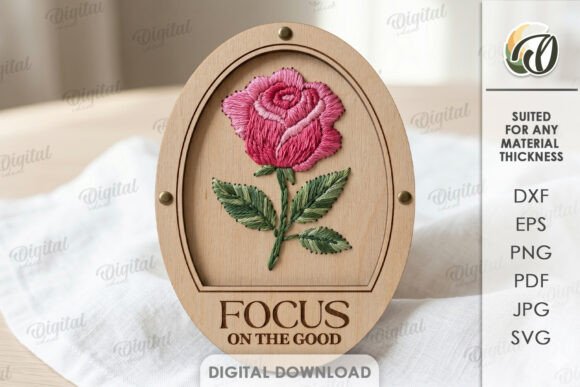
As an embroidery designer who creates personalized gifts for small shops, I’m always on the lookout for versatile, high-quality designs. When planning a new product line—be it for a baby blanket, a wedding keepsake pillow, or a custom tote bag—the foundational step is choosing the right machine embroidery design. Today, I’m putting the Wooden Embroidery Template Laser Cut through a practical review, imagining how it would perform in real customer orders before I ever stitch it on a final product.
First Impressions: Charm and Emotional Appeal
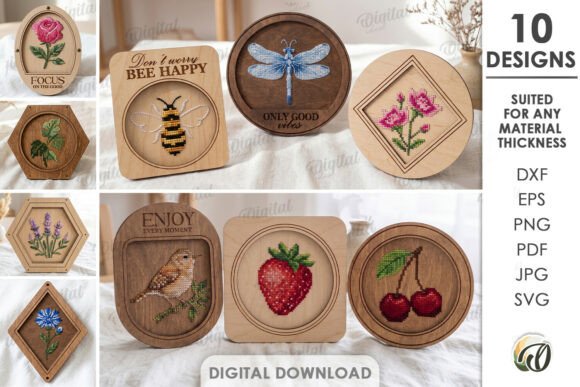
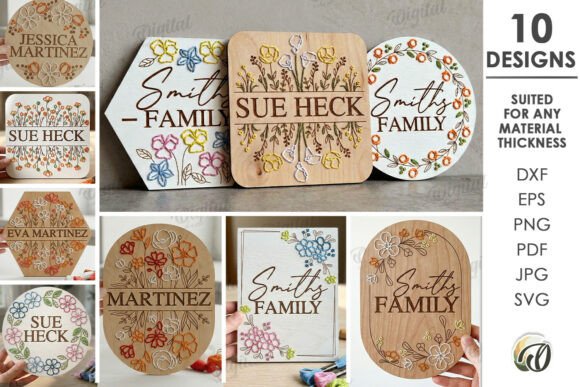
Opening the Wooden Embroidery Template Laser Cut, my first thought is its inherent warmth. The design evokes a classic, handmade feel with a touch of elegance. It doesn’t scream trendy; it whispers timeless. This mood is perfect for personalized gifts meant to become family keepsakes. Whether the theme leans sweet for a baby embroidery project or romantic for a wedding gift, the template’s detail level suggests it can carry significant emotional weight. For a customer seeking a gift that feels considered and heartfelt, rather than mass-produced, this design hits the right note.
Versatility in Application: From Nursery to Craft Fair
The true test of any digital embroidery file is its range of application. For my hypothetical gift shop, I envision using the Wooden Embroidery Template Laser Cut across several key product categories.
For nursery items and baby embroidery, it could beautifully adorn a blanket or a wall hanging. For kitchen textiles, like an embroidered towel or a personalized apron, it adds a touch of homemade charm. For wedding gift designers, it could transform a pillow cover or a table runner into a cherished heirloom. Etsy sellers and craft fair vendors could use it to create a cohesive line of custom embroidery products, from tote bags to pillow cover sets. The fact that it’s a laser-cut template file suggests clean, precise lines, ideal for creating sharp, professional-looking finished products that still boast that handmade quality.
It’s also a powerful tool for creating printable mockups for custom order previews. A customer wanting a personalized blanket with their family name can see the design concept applied digitally before I commit thread and time.
Where This Design Requires Careful Planning
Even the most beautiful embroidery file has its practical constraints. Based on the “wooden” and laser-cut description, I would approach certain applications with extra caution.
- Small Lettering or Delicate Details: If the design includes intricate elements, stitching it on textured fabric like a thick towel or a loosely woven blanket may require specific stabilizer strategies to prevent puckering or lost definition.
- Stretchy Fabrics: For baby clothes or certain apparel, the density of the design must be balanced with the fabric’s stretch to avoid distortion.
- Dark Fabrics: Thread color contrast becomes paramount. A test on scrap fabric is essential to ensure the design reads clearly on darker backgrounds.
- Curved Surfaces & Frequent Washing: Items like rounded pillow edges or aprons that need frequent laundering demand robust stitching and appropriate stabilizer to maintain integrity over time.
The key is to never assume. The template provides the shape, but the embroiderer provides the execution wisdom.
The Giftability Factor: Perceived Value and Customer Trust
When I sell a finished product, the design is the soul of the item. Using a template like the Wooden Embroidery Template Laser Cut directly impacts giftability. A clean, well-executed design speaks to handmade quality, increasing the perceived value. For the buyer, it fosters an immediate emotional connection—they see the care in the craftsmanship.
This trust extends to my shop’s reputation. Clean, precise embroidery, likely facilitated by this laser-cut file’s precision, results in better product photography for my Etsy listings or website. Sharp images drive buyer engagement. A customer looking for a meaningful wedding gift or a unique baby embroidery piece is more likely to trust a shop whose products look professionally made from a beautiful, considered design.
Essential Practical Notes Before Stitching
Before this template touches a real customer’s order, my workflow includes several non-negotiable checks.
- Test on Scrap Fabric: Use the exact fabric and stabilizer combination intended for the final product. Check for stitch density issues and how small details render.
- Confirm Hoop Size: While the file itself may not specify a required hoop, I need to ensure my machine’s hoop can accommodate the design’s dimensions for a smooth stitch-out.
- Compare Light and Dark Mockups: Digitally preview the design on both light and dark backgrounds to plan thread colors effectively.
- Review Commercial Licensing: As a small shop product, I must verify the license terms for the Wooden Embroidery Template Laser Cut to ensure I can legally sell the finished handmade products. The product description mentions it’s a digital file for Other Art and Laser Cutting, but I need to read the specific license included in the zip folder.
These steps transform a beautiful digital embroidery file into a reliable, sellable product.
A Template for Building Connection
In the end, reviewing the Wooden Embroidery Template Laser Cut isn’t just about technical specs. It’s about envisioning the finished piece in a customer’s hands. It feels like a design that can tell a story on a blanket embroidery for a new baby, or commemorate a date on a wedding gift pillow. Its classic, handmade aura builds an emotional connection that is the cornerstone of any successful personalized gift business.
For embroidery makers, gift shop owners, and handmade sellers, a template like this is a starting point—a reliable blueprint. But our skill, our careful testing, and our attention to the practicalities of fabric, thread, and intent bring it to life. That combination—a beautiful design file and thoughtful execution—is what turns a digital product into a treasured, tangible gift.