A Designer's Look at the Cross Stitch Thread Organizer Laser Cut
When you spend your days evaluating embroidery designs for real projects, you develop a kind of gut reaction. You see a file and immediately start picturing it stitched out on fabric—not just how it looks, but how it feels, how it behaves, and ultimately, how it performs in the hands of a customer. The Cross Stitch Thread Organizer Laser Cut design is one that prompts a very specific, and pleasantly practical, line of thinking.
The Quiet, Organized Charm of This Design
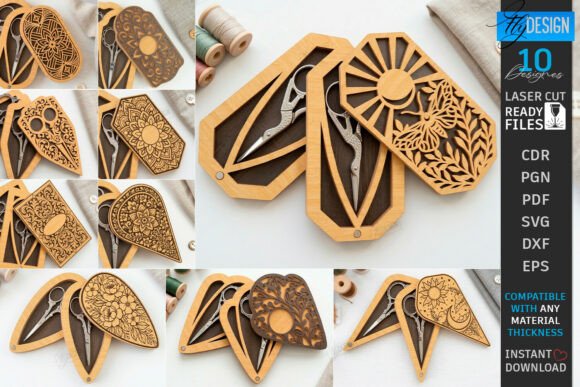
The first impression here is of orderly charm. It’s not a loud, decorative motif; it’s a functional illustration. The combination of elements—the bee, the flowers, the tree, the butterfly, and the central organizer itself—creates a mood of calm, productive creativity. The layout feels balanced, with a gentle, almost vintage personality. This isn’t a design meant to dominate a garment; it’s meant to complement a maker’s space or serve as a subtle nod to the craft itself on a usable item. The detail level in the description suggests clean lines and recognizable shapes, which translates well to embroidery, where clarity is king.
Where This Design Finds Its Natural Home
I immediately picture this on items that serve the crafting community or celebrate handmade work. Imagine a custom tote bag for a fellow embroiderer, filled with their supplies. Or a neat, embroidered patch on the sleeve of a workshop apron. It feels perfect for personalized gifts for the hobbyist—think a monogrammed pillow cover for a sewing room, or a decorative tea towel in a creative kitchen. For small business owners, especially those selling handmade embroidery kits or supplies, this design could become a subtle branding element on packaging or a small motif on staff uniforms. It tells a story about the person using or receiving the product.
Performance in Real-Life Embroidery Scenarios
In practical application, this design’s success hinges on its composition. The likely use of satin stitches for outlines and fill stitches for the larger elements means it will have a clean, polished finish. On a heavyweight sweatshirt or a canvas tote bag, it will look crisp and professional, adding perceived value to the finished product. For baby items or delicate nursery decor, like a blanket corner, the gentle theme would work well, provided the stitch density is adjusted for softer fabrics. As a holiday gift for a crafter, embroidered onto a kitchen towel or a simple wall hanging, it carries a thoughtful, personal message.
For commercial embroidery projects, such as items for an Etsy shop or craft fair merchandise, this design offers good versatility. It can act as a secondary design element—perhaps on the back of a cap or alongside a main logo on an apron—enhancing the handmade presentation without overwhelming the primary artwork. Its thematic coherence (bee, flower, tree, butterfly) also lends itself to a series of products, aiding in brand consistency for a boutique.
Caution Points for Application
Any design with multiple elements and potentially small details requires careful placement. Here, the ‘organizer’ itself and any tiny decorative accents need attention. I would advise against using this on very small hoop sizes; you risk losing the clarity of the individual symbols. Similarly, textured or stretchy fabrics, like certain knit sweatshirts, could distort the clean lines if not paired with the correct stabilizer. Embroidering onto dark fabric demands thoughtful thread color choice to maintain the design’s light, organic mood.
Curved surfaces, like the crown of a cap, could present a challenge if the design is too wide or rectangular; testing on a scrap is essential. For products destined for frequent washing, such as apparel or kitchen linens, ensuring the stitch density is robust enough to withstand wear is a key step. The design’s appeal lies in its neatness, and frayed, loose stitches would undermine that completely.
Impact on Perception and Value
From a designer-reviewer’s perspective, the ultimate test is how a stitched-out design influences the viewer. This Cross Stitch Thread Organizer Laser Cut pattern, when executed well, elevates a simple product. On a plain tote bag, it transforms it from generic to specialist. On a gift, it communicates understanding and personalization. For a small shop product, it adds a layer of authenticity and craft-focused narrative that engages a niche buyer. It doesn’t scream for attention; it earns it through intelligent, relevant detailing.
This builds customer trust. It shows that the maker or seller understands the recipient’s world. The professional execution of such a design—with clear stitches, good color contrast, and proper placement—signals care, which directly translates to giftability and perceived quality. In digital product previews or printable mockups for those selling the embroidery file itself, showing this design on appropriate products (like a project bag or a craft room decor mockup) immediately clarifies its use case and increases its appeal.
Practical Notes for the Working Designer
Before committing this to a client project or a batch of merchandise, my routine would involve a few critical checks. Always test the embroidery file on a scrap of the intended fabric first. This reveals how the thread colors interact with your material and whether any small details, like the butterfly’s wings or flower stems, stitch out cleanly. Check it in both light and dark fabric mockups, even digitally, to plan your color palettes.
Confirm the hoop size required; a design with this many components might need a larger hoop than anticipated to maintain integrity. Use a stabilizer appropriate for your final product fabric—this is non-negotiable for preserving clarity. Crucially, if you are planning to sell the finished embroidered items or use this in commercial embroidery projects, verify the licensing terms of the design file. Only proceed once you know it’s cleared for commercial use.
The beauty of a design like this is its resonance with a specific audience. It’s a tool, a badge, and a decoration all at once. For the embroidery designer, the small business owner, or the crafter looking to add meaningful detail to their work, it offers a path to products that feel considered and genuine. It reminds us that the best embroidery designs often aren’t just decorative; they’re conversational.